AI MCPs Explained: How the Model Context Protocol Connects Assistants to Apps
A plain-language guide to AI MCPs: how Model Context Protocol connects assistants to apps, India’s e-Sankhyiki example, and what users should check before granting access.
H View section
Understanding AI beyond trends, promises and technical hype
At work and at home, a new AI tool is only worth it if it fits real routines, not if it becomes one more app to manage.
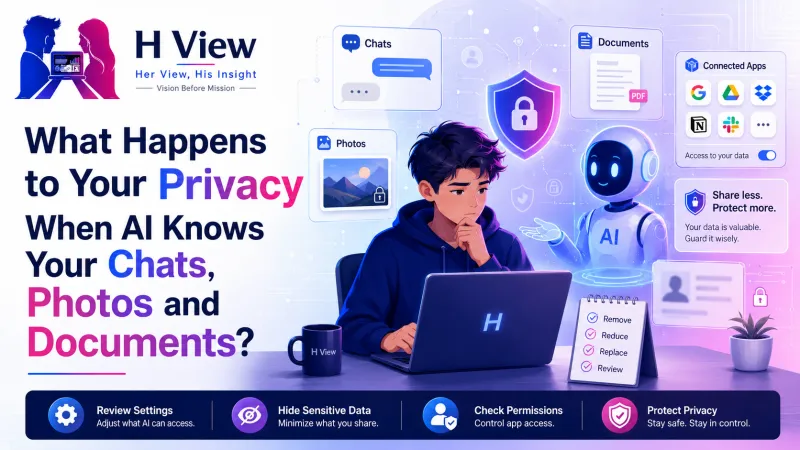
Read the story →Photos, documents and personal conversations deserve care. Knowing where they go is part of using AI with confidence.
Read the story →For students and professionals, the real question is how roles, learning paths and expectations are shifting.
Read the story →AI sounds confident even when it is wrong, and that matters most for health, money and legal decisions.
Read the story →
We compare what assistants, writing and search tools do in practice: accuracy, privacy settings, cost and limits.
Read the evidence →Before uploading anything sensitive, look at how long data is kept, whether it trains models, and how to opt out.
Read the evidence →Judgment, communication and the ability to check AI output are the skills growing in value as routine tasks automate.
Read the evidence →Verify sources, dates and figures, and keep a person accountable for anything you publish, buy or act on.
Read the evidence →A plain-language guide to AI MCPs: how Model Context Protocol connects assistants to apps, India’s e-Sankhyiki example, and what users should check before granting access.
The flaw that knocked government websites offline was found with AI help. Does that make the internet safer, or give attackers a faster weapon? Honestly, both.
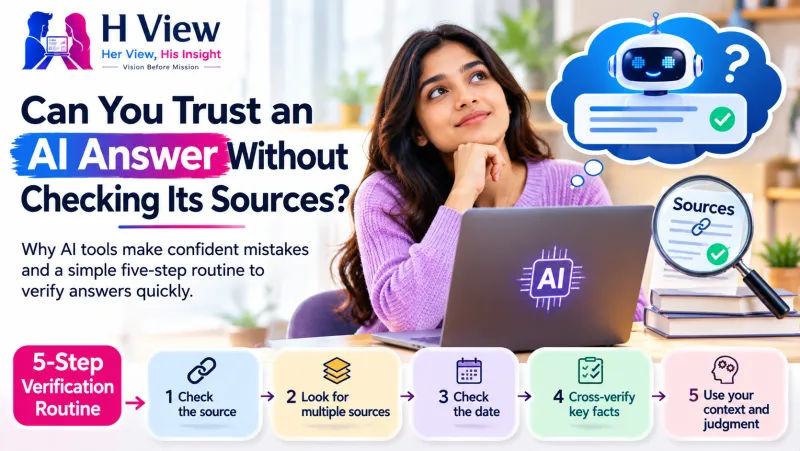
AI answers sound confident even when they are wrong. A major study found significant problems in 45% of AI answers about news. Here is a quick routine to check before you trust.
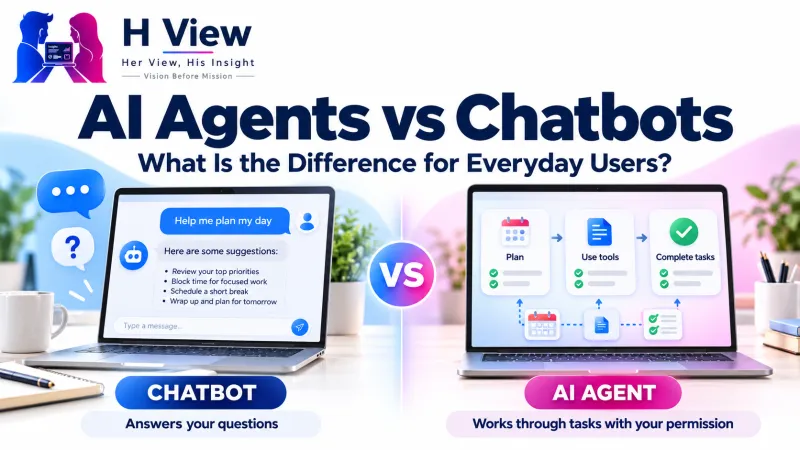
A chatbot answers you. An AI agent goes and does something for you. Here is the difference in plain words, with everyday examples and the risks worth knowing.
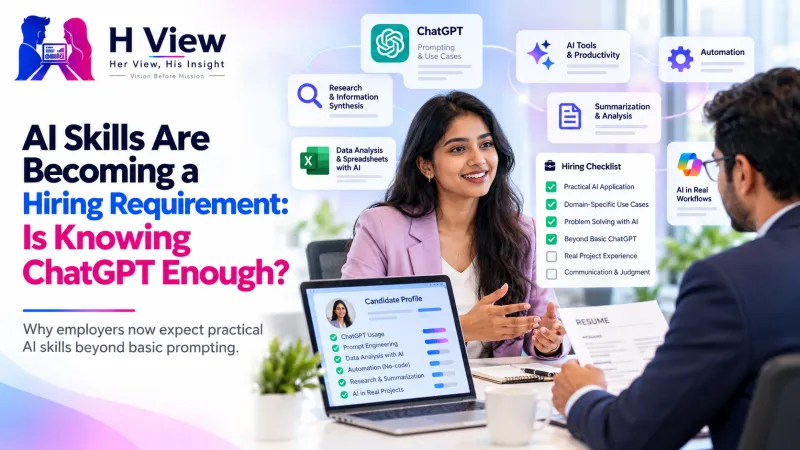
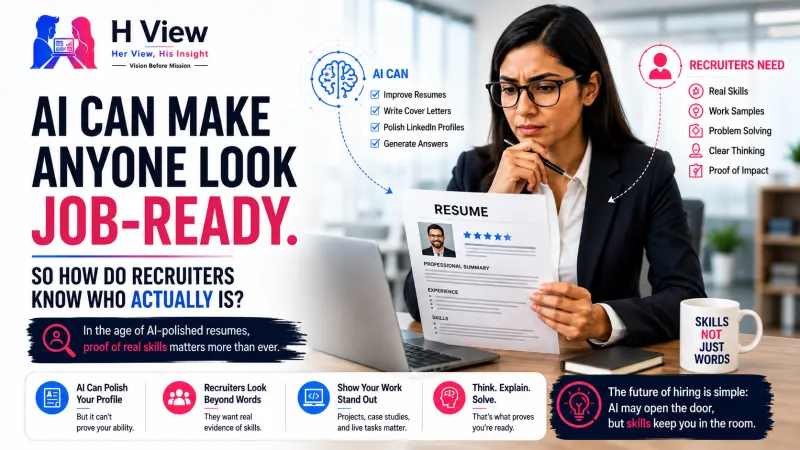
Almost everyone has used ChatGPT now, so listing it on a resume no longer stands out. Here is what employers mean by AI skills, and the four layers worth learning.
Artificial intelligence has traditionally been the outcome of human research. Engineers designed the systems, researchers planned experiments, programmers wrote the code, and teams spent months analysing failures before deciding what the next generation should improve. AI could a
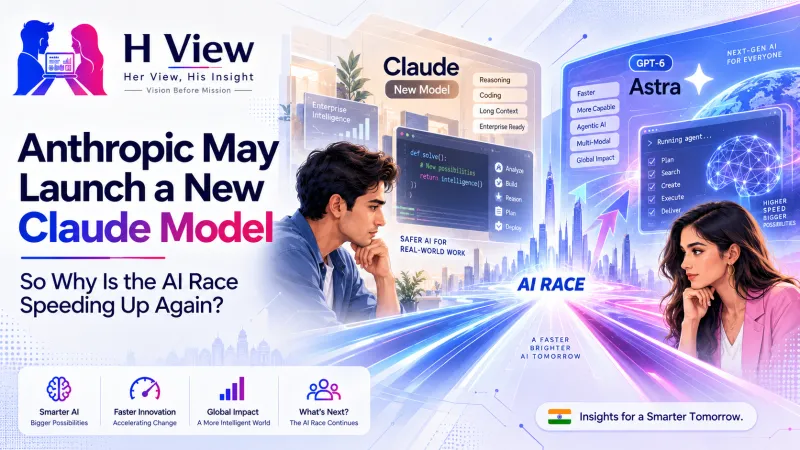
Only a few days ago, one of the most influential figures in artificial intelligence was arguing that the industry might need to slow down. Anthropic CEO Dario Amodei has been warning that frontier AI capabilities are developing so quickly that safety systems, monitoring, and gove
For most of the generative AI boom, the message from technology companies was simple: move faster. Every few months brought a new model, a larger context window, better coding performance, more capable agents, or a new benchmark record. Companies competed to prove that their syst
One of the biggest frustrations with AI assistants has always been repetition. You explain how you work, describe your project, tell the assistant your preferred writing style, mention the people involved, clarify what you do not want, and finally get a useful result. Then you op
No recent stories on this topic yet. The full archive below has everything.
AI can answer quickly, but speed and confidence do not guarantee accuracy.
H View perspective: AI output should not replace qualified medical, legal, financial or safety advice.
38 stories in 6 months. Open a month to read it.
AI is moving into search, education, work, creativity, communication, healthcare, finance and everyday decisions. Faster adoption also raises real questions about privacy, accuracy, trust, bias, jobs and responsible use.
H View covers these developments through practical articles, opinion pieces, tool discussions and reader-focused explainers. We do not assume every new feature is useful, or that every concern is a reason to reject the technology. We weigh benefits, limits, risks and real use cases.
AI tools and platforms, Privacy and responsibility, Work, skills and careers and Trust and human judgment.
New AI stories appear here as soon as they are published. There are 38 stories so far, and the most recent was published on 6 November 2026.
Harika Behara, Satya Hemanth and Praveen write most often in this section, and every story is reviewed by an editor before it is published.
The week’s best Her View, His Insight reading in one short, useful note.
Free. We only use your email to send The H View Brief. Unsubscribe any time.